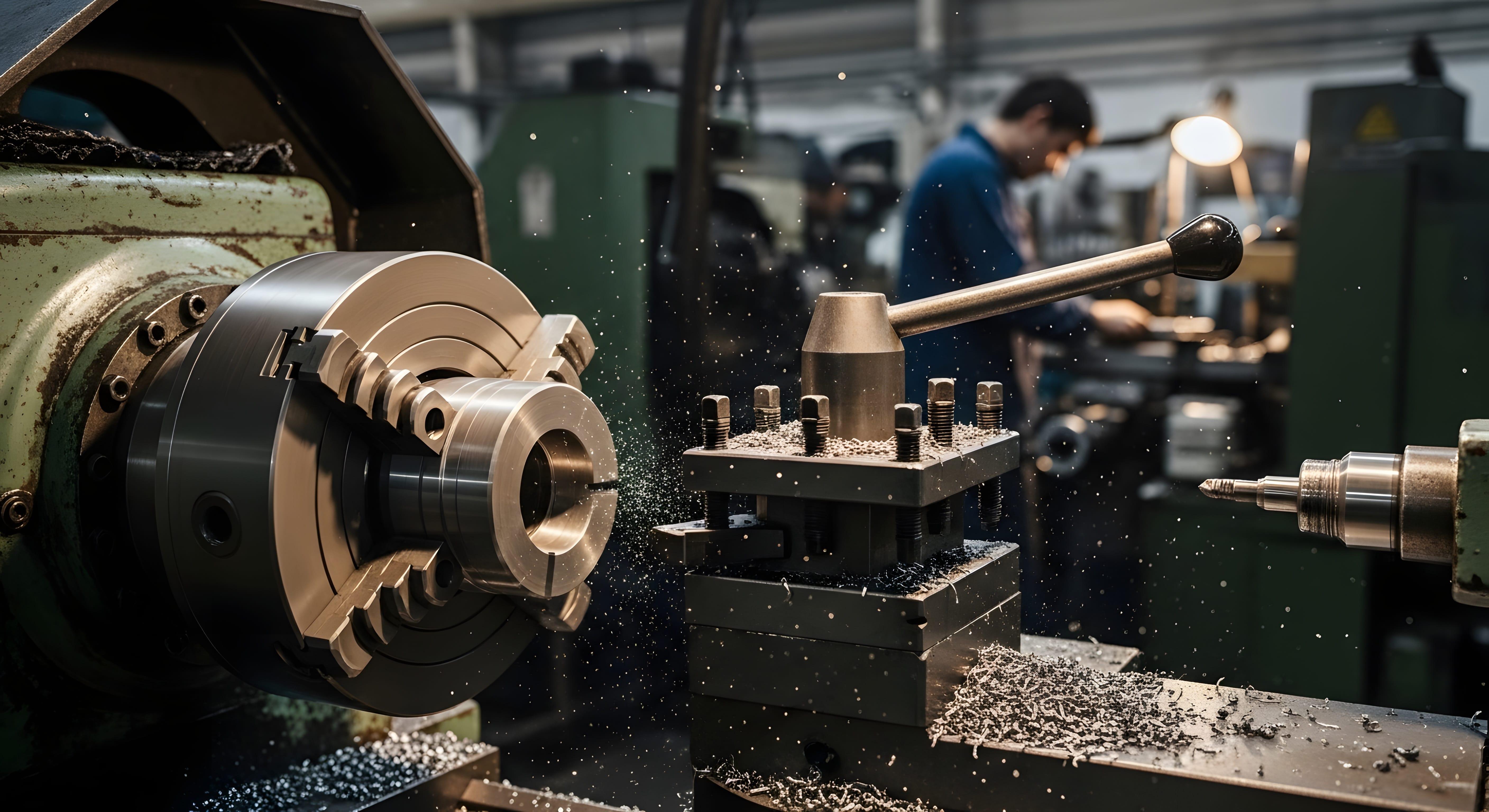
Did you know that over 75% of ERP for manufacturing implementations fail to meet expectations? Despite substantial investments, many manufacturers struggle to realize the promised efficiency gains on their shop floors.
Unfortunately, the disconnect often occurs where it matters most—at the point of production. Shop floor workers, who interact with the system daily, frequently find ERP solutions disconnected from their practical needs and established workflows. Consequently, resistance builds, adoption falters, and the expected ROI remains elusive.
The good news? Success is entirely possible when you shift focus from technology-first to people-first implementation. By understanding the root causes of resistance, building trust before rollout, providing practical training, and thoughtfully redesigning roles, you can transform your ERP system from an executive mandate into a shop floor asset.
This guide examines why manufacturing ERP implementations stumble on the shop floor and provides actionable strategies to ensure your system delivers the productivity and visibility your business needs.
Why ERP Fails on the Shop Floor
Studies reveal a stark reality: between 50-75% of ERP implementations fail to meet their objectives. This failure rate isn’t merely a software problem—approximately 67% of implementation challenges are organizational rather than technical. For manufacturing environments, these statistics highlight a fundamental disconnect that occurs primarily at the production level.
Mismatch between system and real-world workflows
The core issue lies in how ERP systems function versus how shop floors operate. Manufacturing environments are dynamic and fluid, requiring immediate responses to unpredictable situations like machine breakdowns or urgent customer change requests. Meanwhile, most ERP systems demand standardized, sequential processes that conflict with real-world manufacturing needs.
This mismatch manifests in several ways:
- Operators must navigate multiple screens or complete numerous fields just to log a simple production change—unrealistic when time is tight
- Roughly 20% of transactions require manual workarounds that bypass the system
- System-required steps frequently stall time-critical operations
- Different departments develop inconsistent workarounds for identical processes
One manufacturer discovered their best machinists waited 2-3 hours per job for planners to create work orders in the ERP system before they could pull materials—despite knowing exactly what they needed based on 30 years of experience. The ERP wasn’t broken; its workflow assumptions simply didn’t match operational reality.
Lack of frontline involvement in design
Many ERP implementations focus exclusively on executive or IT priorities like cost control, reporting, or compliance. However, excluding shop floor workers from the planning process is a critical misstep. Operators and supervisors understand the real bottlenecks and practical workarounds that exist in production environments.
Without shop floor input, systems often overlook essential features like split-batch tracking, mobile interfaces, or simple defect logging. Furthermore, they may include overly complex features that hinder rather than help daily operations. This oversight creates a perception that “the ERP is not for us” among frontline workers, leading to low engagement and adoption.
Approximately 70% of ERP “failures” stem from process or training issues rather than software limitations. This statistic underscores how crucial it is to incorporate shop floor perspectives during system design and implementation.
Overreliance on top-down implementation
Traditional ERP rollouts typically follow a hierarchical model where decisions flow from management to shop floor workers. In high-volume manufacturing environments, this approach often falters. When systems are imposed from above without proper change management, workers see ERP as a burden rather than a helpful tool.
A growing number of successful manufacturers have reversed this trend by empowering frontline workers as “line champions”—peer mentors trained to guide colleagues through the ERP transition. These champions speak the shop floor language, understand operational realities, and can demonstrate system benefits in context.
Poor project governance also contributes to implementation failures. The Birmingham City Council’s Oracle ERP project illustrates this point—inadequate oversight led to ballooning costs from £39 million to potentially £129 million. Similarly, Haribo’s SAP implementation failed initially because it didn’t properly map old business processes to the new ERP, resulting in inability to track materials and inventory.
For manufacturing ERP to succeed, implementation must be viewed not as an IT project but as a business transformation initiative that begins with understanding how work actually happens on the shop floor.
Understanding the Root Causes of Resistance
Resistance to ERP implementation goes beyond surface-level opposition. Surveys indicate that 30–40% of ERP failures tie directly to organizational resistance and inadequate change management. Understanding these psychological barriers reveals why even technically sound systems face adoption challenges on the manufacturing shop floor.
Fear of job loss and change
ERP implementations trigger profound anxiety among manufacturing staff. The words “automation” and “efficiency” often translate to “downsizing” in employees’ minds. Although management may have no intentions of reducing headcount, the fear persists silently. Instead of directly expressing job security concerns, employees often disguise their anxiety as technical objections, claiming “this system can’t handle our complex operations”.
This fear manifests differently across organizational levels:
- Individual employees worry about job displacement and new competency requirements
- Mid-career staff feel particularly threatened, as decades of system expertise suddenly appears irrelevant
- Department heads fear losing control over their data and processes
For long-tenured manufacturing employees, ERP systems fundamentally question their value proposition. One manufacturing survey found “Fear of job losses” ranked as the most prominent psychological barrier in developing economies. Additionally, approximately 60% of employees struggle with ERP system complexity, intensifying concerns about their continued relevance .
Loss of informal authority
In legacy manufacturing environments, experienced employees typically operate with significant informal power. They possess tribal knowledge about process exceptions, workarounds, and specialized techniques that exist outside formal documentation. ERP implementations redistribute this authority through:
- Standardized workflows replacing personalized processes
- System-enforced rules replacing individual judgment calls
- Automated decisions replacing manual interventions
This power shift explains why the most vocal resistance often comes not from frontline operators but from supervisors, planners, and specialists with decades of system mastery. These individuals quietly ask: “What is my value now?” Moreover, long-tenured staff may resist because they fear losing influence over junior colleagues who previously relied on their expertise.
Disruption of familiar routines
Manufacturing staff generally develop efficient routines over years of practice. ERP implementations disrupt these patterns in multiple ways. First, employees must maintain current productivity while simultaneously learning new skills, creating significant stress. Second, the change fatigue factor becomes substantial, especially if the organization has recently undergone other transformations.
The disruption extends beyond mere inconvenience. Studies show that even high performers experience burnout when overwhelmed by change. Passive resistance emerges through workarounds, parallel spreadsheets maintained outside the system, and reluctance to report issues—behaviors that ultimately undermine data accuracy.
Furthermore, many manufacturing environments contain deeply embedded, undocumented exceptions that resist standardization. When ERP systems fail to accommodate these exceptions, employees develop workarounds that defeat the system’s purpose, regardless of technical quality or executive support.
Understanding these psychological barriers allows manufacturers to develop implementation strategies that address the human elements of ERP adoption, not just the technical components.
How to Build Trust Before Rollout
Successful ERP for manufacturing systems begin with trust, not technology. Building this foundation prior to rollout dramatically increases adoption rates and system effectiveness. Unlike traditional top-down implementations, today’s successful manufacturers recognize that shop floor buy-in determines whether their substantial ERP investment delivers real value.
Involve experienced staff in ERP planning
Creating a cross-functional implementation team with genuine shop floor representation forms the cornerstone of trust building. First and foremost, select team members based on specific criteria, not just availability or title:
- Deep understanding of current business processes and their impact on other areas
- Ability to visualize how existing workflows will function in the new system
- Potential to add genuine value to the implementation process
These representatives become essential bridges between executive vision and operational reality. As one implementation expert notes, “Your ERP project team is the most critical factor in your implementation”. These team members establish goals, requirements, and key performance indicators while managing daily project tasks.
The most effective approach involves creating a stakeholder team led by business managers who maintain focus on customer benefits, supported by IT superusers and workers from across manufacturing. This structure transforms key users into project champions who drive adoption within their departments.
Translate business goals into shop floor benefits
Connecting high-level business objectives to tangible shop floor advantages requires thoughtful communication. According to implementation experts, “Before the selection of a software infrastructure is even made, you want to communicate the reasoning for this change, manage expectations about the project and proactively address any negativity and concern”.
Correspondingly, frontline staff need answers to specific questions:
- How will the ERP system reduce their day-to-day inefficiencies?
- What practical benefits will they experience in their routine tasks?
- How does this implementation align with long-term company strategy?
Project leaders must establish a compelling “why” that speaks directly to shop floor concerns. This approach differs significantly from traditional implementations that focus solely on executive priorities like cost control and compliance.
In essence, effective translation involves helping operators see beyond abstract business goals to concrete improvements in their work experience. When workers help create and own the vision of a more connected workforce, it “reduces fear, increases ownership and trust”.
Clarify what changes and what stays the same
Uncertainty breeds resistance. To that end, transparency about what will and won’t change serves as a powerful trust-building tool. Project sponsors must communicate openly about the current state of the organization, business needs driving the change, and technology advances enabling needed functionality.
For shop floor workers specifically, direct conversations about role transformations are essential. Managers should prepare thoughtfully for discussions about how changes will affect individuals, not just departments. As one expert notes, “Where possible, focus on the idea of jobs and skill sets changing rather than reduction”.
A critical yet often overlooked step involves documenting future business processes and communicating these newly designed workflows through formal sessions. This practice allows employees outside the core team to identify potential improvements, further building ownership.
Throughout this process, communicate early and often with all affected employees, focusing on how the new ERP will solve existing pain points and improve daily workflows. Such transparency transforms employees from passive recipients of change into active participants in the transformation.
Training That Drives Real Adoption
Effective training stands as the critical bridge between ERP investment and actual shop floor value. Recent research indicates that ERP learning accelerates significantly when users train against realistic scenarios instead of sanitized demos. This insight forms the foundation of training approaches that drive genuine adoption among manufacturing teams.
Use real-world scenarios in training
Traditional ERP training often overwhelms users with irrelevant features. In contrast, role-based, industry-specific training helps welders, shop supervisors, and other staff learn exactly what they need to succeed. This targeted approach leads to faster adoption because people immediately see how the system makes their daily work easier.
Incorporating practical scenarios makes the learning experience more relevant by demonstrating the ERP system’s application to daily tasks. Effective techniques include:
- Case studies from your organization or similar businesses
- Daily task examples that mirror everyday activities
- Hands-on practice with simulated exercises based on actual tasks
For manufacturing environments specifically, training should focus on job-specific workflows using your own data. This approach dramatically improves user adoption and operational efficiency.
Simulate exceptions and edge cases
Business corner cases—problems that occur outside normal operations—represent a significant challenge for ERP implementations. These unusual situations are often difficult to anticipate yet require employees to develop workarounds.
Technical excellence means nothing if your team cannot handle these exceptions. Operations staff need training on:
- Interpreting system suggestions
- Providing feedback when standard processes don’t apply
- Understanding how new processes differ from old ones
Scenario-based training in controlled environments allows learners to confidently take actions without risking disruption to company operations. This safe space highlights the impact of mistakes, fostering awareness and strategic decision-making.
Offer ongoing support beyond go-live
Training should be treated as a lifecycle activity, not a one-time project milestone. This continuous approach addresses several critical challenges:
Employee turnover can significantly impact ERP success, as new users enter without structured instruction. Having clear policies for new user training, plus updated standard operating procedures, mitigates this risk.
Additionally, offering continuous learning opportunities through refresher courses and advanced training helps employees deepen their knowledge and stay current with system updates. Many manufacturers allocate 15-20% of their post-implementation budget to training and support, ensuring the system runs efficiently while maintaining compliance.
Creating a centralized repository of training materials—including manuals, guides, and video tutorials—ensures all employees can easily access resources when needed. Pairing this with dedicated support channels and peer mentoring programs provides comprehensive assistance.
For sustainable adoption, implement a “train the trainer” program where key personnel attend vendor training sessions throughout the year and share knowledge internally, addressing the knowledge gap that emerges after implementation consultants leave.
Redesigning Roles for the New System
Implementing ERP for manufacturing requires thoughtful role redesign, not just system changes. As technology reshapes operational demands, successful manufacturers recognize that employees need clear pathways to contribute in the new environment. Indeed, research shows over 70% of skills used in today’s jobs cannot be fully automated, requiring humans and machines to work together.
Map old responsibilities to new workflows
Effective role mapping begins with understanding current processes. An experienced project manager recognizes how legacy responsibilities translate to new system functions. This transition requires:
- Acknowledging informal processes that exist outside documentation
- Identifying which workflows will change versus remain familiar
- Documenting how legacy tasks map to new system procedures
The emotional dimension of migration deserves equal attention. Many workers have built years of competence in legacy systems, and role changes temporarily remove this expertise. Offering extra support throughout this transition helps maintain confidence as staff adapt.
Create new value paths for experienced workers
Manufacturing roles are evolving toward higher-value responsibilities as ERP systems handle routine tasks. Human workers remain essential for:
- Overseeing operations and managing exceptions
- Ensuring quality control and compliance
- Responding when systems encounter unexpected conditions
The strongest implementations position experienced staff as system champions who guide peers through transitions. This approach preserves their authority while channeling their expertise into valuable new directions.
Communicate future career paths clearly
Transparent communication about evolving roles eliminates uncertainty. Effective leaders openly discuss how ERP implementation affects individual positions, focusing on skill enhancement rather than reduction. Organizations should clearly outline:
- How automation supports rather than replaces human judgment
- New career opportunities emerging from digital transformation
- Training pathways to develop relevant system expertise
Throughout implementation, emphasize that the advantage isn’t complete automation but smarter processes where experienced employees make final decisions based on system-generated insights.
Conclusion
Successful ERP implementation for manufacturing hinges primarily on the human element rather than technology alone. Throughout this guide, we have seen how traditional approaches often fail because they neglect shop floor realities and worker perspectives. The staggering 75% failure rate stems not from software limitations but from organizational resistance and inadequate change management.
First and foremost, understanding why workers resist change allows manufacturers to address the underlying fears—job security concerns, loss of informal authority, and disruption of established routines. Additionally, building trust before rollout by involving experienced staff and translating abstract business goals into tangible benefits creates a foundation for acceptance.
Effective training represents another critical success factor. Rather than overwhelming users with irrelevant features, focusing on real-world scenarios and edge cases prepares teams for actual work conditions. Consequently, ongoing support beyond go-live ensures sustainable adoption as the organization evolves.
Role redesign deserves equal attention during implementation. Experienced workers need clear pathways that preserve their value while embracing new system capabilities. Therefore, transparent communication about how roles will evolve—emphasizing enhancement rather than replacement—maintains morale through transition periods.
Ultimately, ERP success on manufacturing shop floors requires shifting from technology-first to people-first implementation. By addressing psychological barriers, building trust, providing practical training, and thoughtfully redesigning roles, you transform your ERP system from an executive mandate into a valuable shop floor asset. Remember, your greatest implementation advantage comes not from software features but from the shop floor team that uses them daily.